
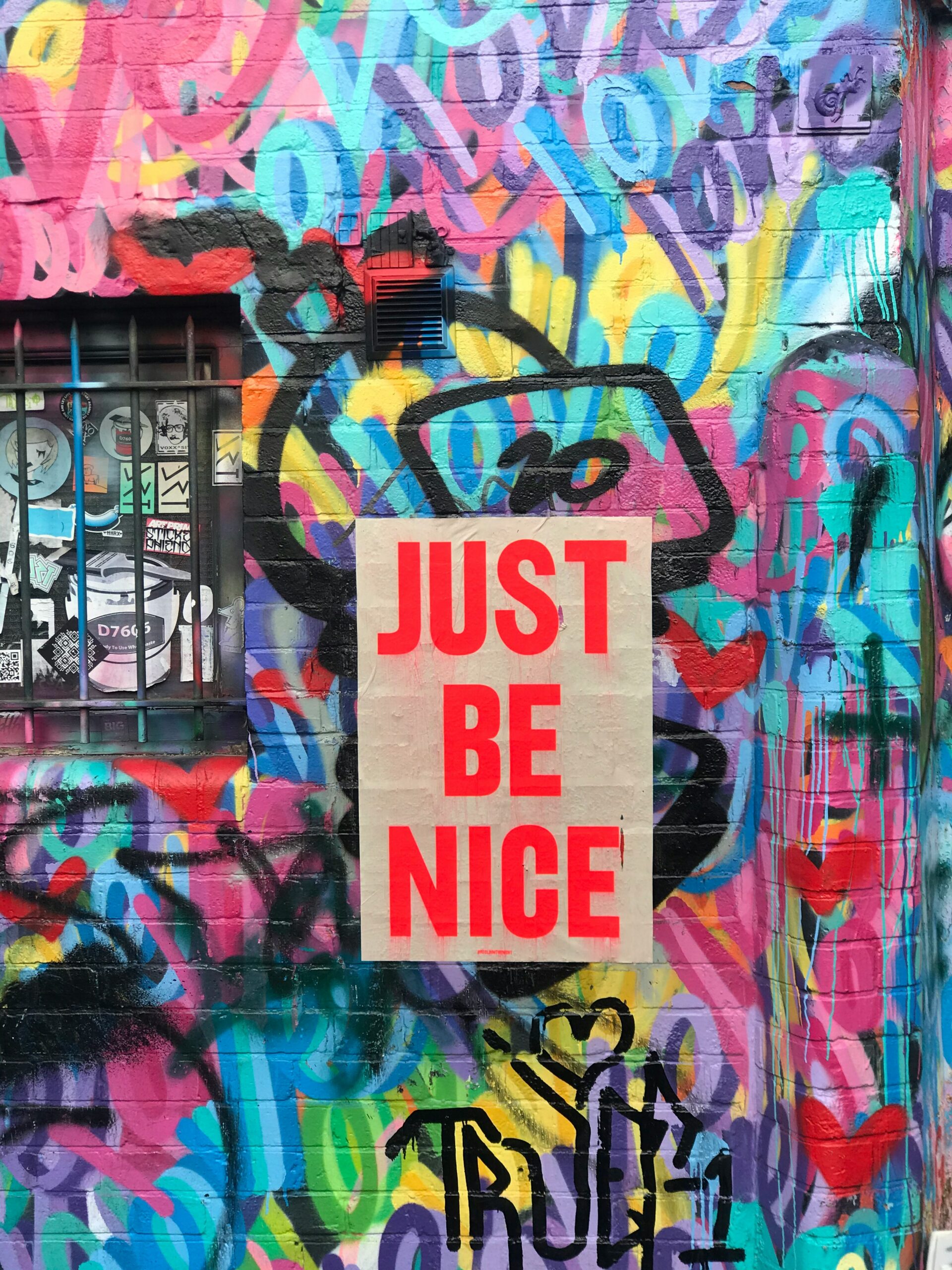
Kindness is often seen as an unquestionable strength.
Being thoughtful, generous, and considerate of others is encouraged from an early age. For many of us, these qualities become part of how we move through the world. They are valued, reinforced, and often expected.
Over time, something subtle can shift.
What begins as kindness can slowly become something else.
Where the Pattern Begins
Kindness, in its truest form, is a choice.
It comes from alignment. It reflects care, intention, and a willingness to contribute without losing yourself in the process.
People-pleasing, by contrast, is often rooted in the need to maintain approval.
This distinction is easy to miss because the behaviours can look similar on the surface.
Agreeing. Helping. Accommodating. Smoothing things over.
The difference lies in what is driving the behaviour.
The Pull of Approval
Many people learned early that being agreeable kept things calm. Saying yes reduced friction. Anticipating needs, created connection. Being easy to be around made relationships feel safer. Over time, those responses become familiar.
When approval is at stake, the body moves quickly. There may be an urge to respond before fully thinking, to keep things comfortable, or to avoid disappointing someone else.
That urgency is not random. It is learned.
The nervous system associates approval with safety, so maintaining it becomes a priority.
How People-Pleasing Shows Up
People-pleasing rarely feels like a conscious decision.
You might notice yourself:
- agreeing when something doesn’t feel quite right
- saying yes before checking your capacity
- anticipating what others need without being asked
- avoiding conflict, even when something matters
- using phrases like “it’s just easier if I do it”
These behaviours are not signs of weakness. They are signs of a strategy that once worked. The challenge is that the strategy can continue long after it is needed.
When Choice Disappears
When behaviour is driven by approval, it often feels automatic.
The moment arises and the response follows quickly. There is little space to consider alternatives. The body moves into the familiar pattern before awareness fully catches up.
This is where the principle Everything Is a Choice becomes important.
Choice does not disappear entirely. It becomes harder to access.
The pattern runs because it has been repeated so many times.
Kindness vs. People-Pleasing
Separating kindness from people-pleasing is not about becoming less caring. It is about recognising the difference between aligned action and protective behaviour.
Kindness is grounded. It allows space for both you and the other person.
People-pleasing often carries urgency. It prioritises maintaining approval, sometimes at the expense of your own needs.
One feels steady. The other can feel pressured.
Learning to notice that difference is where change begins.
Reintroducing Choice
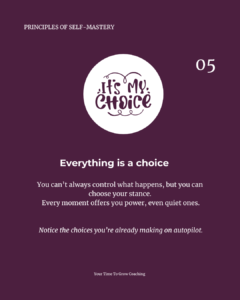 Choice returns in small moments. Pause before responding. Take a breath before agreeing. Check in with what you actually need.
These moments may feel unfamiliar at first. There may be discomfort in not immediately smoothing things over. That discomfort is part of the process.
The nervous system is learning that approval is not the only path to safety.
A Different Way to Be Kind
Kindness does not need to disappear. It simply becomes more intentional.
You can still help from a place of willingness rather than obligation, support others while respecting your own limits, and be thoughtful without automatically putting yourself last.
And when we choose kindness, it feels different; it carries less pressure and more clarity.
An Invitation
The next time you feel the pull to agree, help, or accommodate, pause briefly.
Ask yourself:
Am I choosing this, or am I trying to stay approved?
There is no need to change your answer immediately. The value is in noticing.
That question creates space.
And in that space, choice begins to return.
If you’d like to explore how approval-driven patterns show up in your behaviour, the Protective Strategies Quiz offers a practical starting point.